Advertising has always evolved alongside human behavior. As people change the way they consume information, brands must also change the way they communicate. From newspapers and radio to television, social media, influencer campaigns, and digital platforms, every generation of marketing has emerged because older methods gradually became less effective.
Today, the advertising industry is experiencing another major shift.
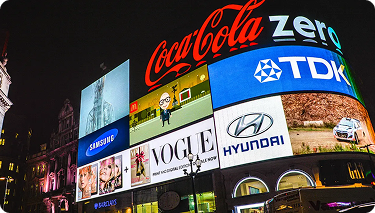
Consumers are exposed to more advertisements than at any other point in history. Brands compete constantly for visibility across phones, laptops, billboards, streaming platforms, apps, events, and social media feeds. Yet despite the massive growth in advertising spending, audience attention continues to decline.
This has created one of the biggest challenges for modern brands:
how to remain memorable in a world overflowing with distractions.
Traditional advertising methods still provide visibility, but visibility alone is no longer enough. Modern audiences have learned to ignore repetitive promotional messaging. Banner blindness, skipped video ads, muted autoplay content, and ad blockers all reflect the same reality: people are becoming resistant to interruption-based advertising.
This growing advertising fatigue has forced brands to rethink how they engage with consumers.
Modern marketing is shifting away from simply displaying advertisements and moving toward creating experiences. Audiences increasingly respond to interactions that feel useful, natural, relevant, or emotionally engaging rather than aggressively promotional.
This is why innovation has become essential in advertising.
Innovation in advertising does not always mean advanced technology or expensive campaigns. Sometimes, the most powerful innovations come from rethinking how brands interact with people in everyday environments.
One of the biggest changes in consumer behavior today is the desire for authenticity and utility. People are more likely to engage with brands that provide value instead of simply demanding attention. Utility-based marketing, experiential branding, and integrated real-world experiences are becoming increasingly important because they create meaningful engagement instead of passive exposure.
This shift has opened opportunities for entirely new forms of advertising platforms.
Instead of treating advertisements as interruptions, innovative advertising models focus on integrating branding naturally into human experiences. The goal is no longer just to place logos in front of people. The goal is to create moments where consumers willingly interact with the brand in a positive environment.
This is where new advertising concepts are beginning to stand out.
Modern audiences remember experiences more than advertisements. They remember products they use, moments they participate in, and interactions that feel personal or useful. Human psychology naturally gives stronger attention to things connected with utility, emotion, convenience, or physical interaction.
For decades, event advertising has relied heavily on:
- banners
- posters
- sponsorship walls
- flyers
- booths
- LED displays
While these methods still create visibility, they often struggle to create deep engagement because audiences are surrounded by too many competing promotional messages at once.
At large events, people frequently ignore traditional advertisements after repeated exposure. Promotional overload causes many branding elements to blend into the background. As a result, companies spend large budgets competing for attention without always creating meaningful recall.
This is why innovative advertising solutions are becoming more valuable.
The future of marketing belongs to strategies that combine:
- utility
- interaction
- mobility
- experience
- personalization
- measurable engagement
Consumers are increasingly drawn toward experiences that feel relevant to their environment instead of forced interruptions.
Another reason innovation matters is because younger generations consume advertising differently than previous audiences. Gen Z and millennials are highly selective about what they engage with. They prefer:
- experiences over promotions
- authenticity over corporate messaging
- usefulness over interruption
- interaction over passive visibility
Brands that fail to adapt to these behavioral shifts often struggle to maintain long-term engagement.
This has led to the rise of experiential marketing, immersive campaigns, and utility-driven branding strategies across global markets.
Experiential marketing focuses on creating memorable real-world interactions rather than relying entirely on traditional advertising formats. Instead of simply telling people about a brand, companies create environments where audiences can experience the brand directly.
Research consistently shows that people are more likely to remember brands connected to experiences than brands connected only to advertisements. Emotional engagement, physical interaction, and practical usefulness significantly improve memory and recall.
This explains why many modern campaigns focus on participation rather than exposure.
Technology has accelerated this transformation even further. QR codes, interactive campaigns, augmented reality, digital integrations, and social-media-driven experiences now allow brands to connect offline engagement with measurable online actions.
Modern advertising is no longer divided into purely offline or purely digital categories. Increasingly, successful campaigns combine both worlds together.
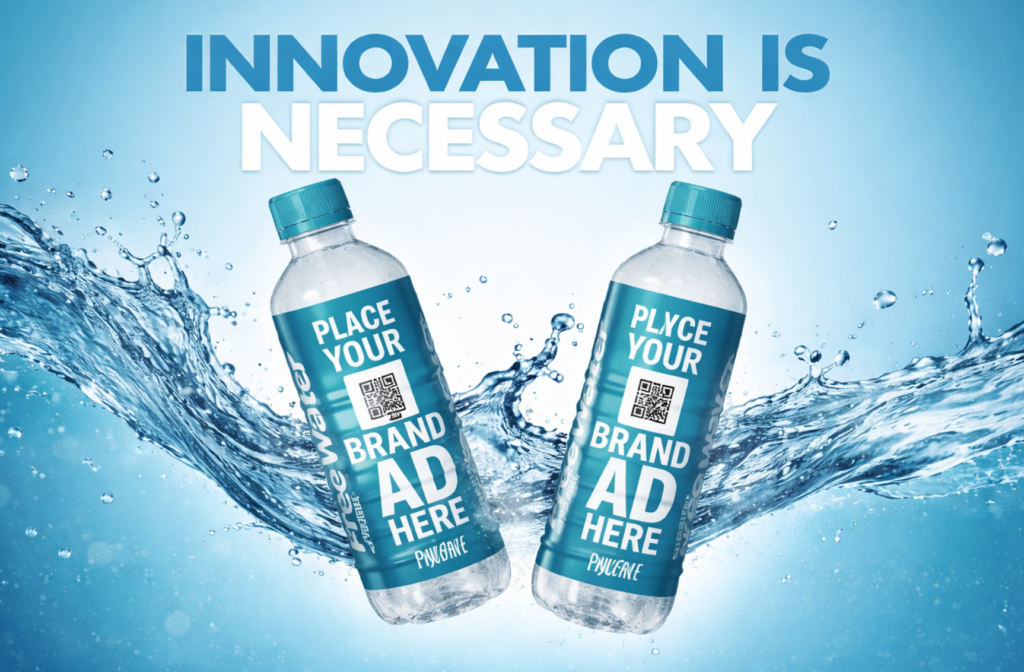
For example, a physical product can become a digital entry point through QR-based engagement. A real-world interaction can lead to app downloads, website traffic, social media participation, or online purchases. This integration makes campaigns more measurable and valuable for brands seeking clear marketing outcomes.
Another important reason innovation is critical today is rising customer acquisition costs.
Digital advertising has become extremely competitive. Social media campaigns, search engine marketing, and influencer collaborations often require significant budgets to maintain visibility. Smaller businesses and startups frequently struggle to compete with large corporations spending heavily on online advertising.
As a result, brands are increasingly searching for creative alternative marketing channels that offer stronger engagement without excessive spending.
Innovation creates opportunities to stand out without relying only on bigger budgets.
Some of the most successful modern advertising ideas are not necessarily the most expensive. They succeed because they:
- solve a problem
- improve an experience
- create emotional connection
- encourage interaction
- feel memorable
- provide practical value
This reflects a major philosophical shift in marketing itself.
Advertising is no longer just about broadcasting messages to as many people as possible. It is increasingly about becoming part of the consumer experience in a meaningful way.
Marketing expert Seth Godin once said:
“Marketing is no longer about the stuff that you make, but about the stories you tell.” (seths.blog)
This quote captures the direction modern advertising is moving toward. Consumers increasingly connect with narratives, experiences, and interactions rather than simple promotional slogans.
Advertising legend David Ogilvy also emphasized the importance of meaningful communication:
“If it doesn’t sell, it isn’t creative.” (goodreads.com)
This principle remains highly relevant because innovation in advertising should ultimately create stronger engagement and better outcomes, not just visual novelty.
Innovation also matters because audiences are becoming harder to surprise. Consumers constantly encounter content online, making it difficult for brands to stand out using conventional approaches alone. New formats, creative integrations, and utility-driven experiences help break through this saturation.
The future of advertising will likely belong to brands that successfully combine:
- physical experiences
- digital engagement
- emotional relevance
- utility
- personalization
- measurable interaction
The companies that adapt to these changes will be better positioned to build stronger audience relationships in increasingly crowded markets.
Advertising innovation is not simply about being different. It is about responding to how people actually behave in the modern world.
Attention has become selective. Trust must be earned. Experiences matter more than interruptions. Consumers want relevance, authenticity, and value from the brands they engage with.
As marketing continues to evolve, businesses that embrace innovative approaches will have greater opportunities to connect with audiences in ways traditional advertising alone can no longer achieve.
Because in today’s environment, the brands people remember are rarely the ones shouting the loudest.
They are usually the ones creating the most meaningful experiences.