In today’s digital-first world, consumers are exposed to advertisements almost every minute of the day. From social media feeds and streaming platforms to websites, apps, emails, billboards, and public spaces, advertising has become impossible to escape. While brands are spending more money than ever to capture attention, audiences are becoming increasingly difficult to engage. This growing disconnect has created what marketers now call advertising fatigue.
Advertising fatigue happens when people become tired, uninterested, or emotionally disconnected from repetitive marketing messages. Instead of grabbing attention, ads begin to feel like background noise. Consumers scroll past them, skip them, mute them, block them, or simply ignore them completely. For modern brands, this has become one of the biggest marketing challenges of the decade.
Years ago, advertising worked differently. Television commercials, newspaper ads, and large outdoor billboards had fewer competitors for audience attention. Today, however, the average person consumes content across multiple devices and platforms simultaneously. A user may browse Instagram while watching YouTube, checking WhatsApp notifications, and listening to music all at once. In such a crowded environment, attention has become one of the most valuable and limited resources.
The biggest challenge brands face today is not creating advertisements — it is earning genuine attention.
One major reason for advertising fatigue is oversaturation. Consumers see thousands of promotional messages every single day. Almost every company is competing for clicks, views, impressions, and engagement. Because of this overload, people have developed natural defense mechanisms against ads. Banner blindness, ad skipping, muted autoplay videos, and ad blockers are all signs that audiences are actively trying to avoid marketing interruptions.
Another challenge is repetition. Many brands continuously show the same advertisement to the same audience across different platforms. While repetition was once considered an important marketing strategy, excessive repetition now often creates irritation instead of brand recall. Seeing the same ad repeatedly can make consumers feel targeted rather than engaged.
Social media has also changed consumer behavior dramatically. Platforms are designed for fast scrolling and short attention spans. Users consume massive amounts of content within minutes, leaving brands with only a few seconds to create impact. Unfortunately, many advertisements fail to adapt to this behavior. Overly polished, sales-heavy, or corporate-style ads often feel disconnected from how people naturally consume content online.
Trust has become another major issue in advertising. Consumers today are more skeptical than ever before. Many audiences no longer believe traditional marketing claims because they have seen exaggerated promises, misleading campaigns, and low-quality influencer promotions over the years. This has created a trust gap between brands and consumers.
Younger generations, especially Gen Z and younger millennials, prefer authenticity over aggressive marketing. They are more likely to engage with relatable content, experiences, or useful products than with traditional advertisements. Brands that fail to understand this shift often struggle to connect with modern audiences.
At the same time, advertising costs continue to rise. Digital platforms have become highly competitive, increasing the cost of customer acquisition. Running campaigns on social media or search engines now requires larger budgets to achieve the same level of visibility that was possible years ago. Small and medium-sized businesses are especially affected because they often cannot compete with the advertising budgets of larger corporations.
Even when campaigns generate impressions or clicks, engagement does not always translate into meaningful customer relationships. Many brands chase vanity metrics such as views, likes, or impressions without achieving real audience connection or long-term loyalty. As a result, companies spend heavily on campaigns that may generate visibility but fail to create memorable experiences.
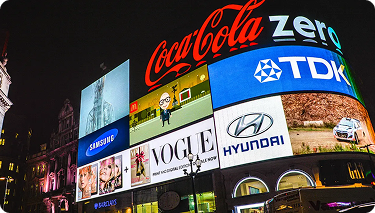
Offline advertising also faces challenges. Traditional billboards, posters, flyers, and event banners often blend into the environment because audiences have become visually overloaded. People have learned to mentally filter out most promotional material they encounter in public spaces. This makes it harder for brands to stand out using conventional methods alone.
Another growing problem is fragmented attention. Consumers no longer spend all their time on one platform. Audiences are spread across Instagram, YouTube, LinkedIn, Snapchat, podcasts, streaming services, gaming platforms, newsletters, and emerging social apps. This fragmentation forces brands to divide their marketing efforts across multiple channels, making campaigns more expensive and difficult to manage consistently.
Personalization, while powerful, has also created mixed reactions. Consumers appreciate relevant recommendations, but overly targeted advertising can sometimes feel invasive. Many people are uncomfortable with how much data companies collect to personalize ads. Privacy concerns and growing awareness about digital tracking have made consumers more cautious about how brands communicate with them online.
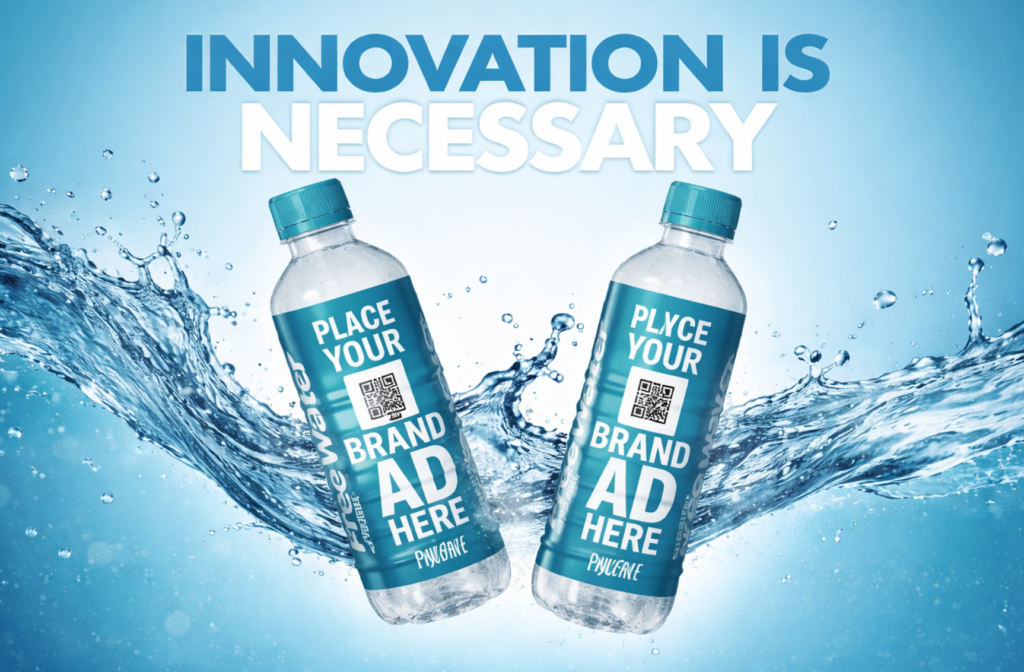
In response to these challenges, many companies are now shifting away from interruption-based advertising and moving toward experience-based marketing. Instead of simply pushing messages at consumers, brands are trying to create moments, interactions, and experiences that feel natural and valuable. Experiential marketing, branded experiences, influencer collaborations, community-driven campaigns, and utility-focused branding have all become more important in recent years.
Content marketing has also grown significantly because audiences are more willing to engage with information, entertainment, or storytelling than with direct sales pitches. Educational blogs, podcasts, documentaries, behind-the-scenes videos, and user-generated content often perform better than traditional advertisements because they provide value first before asking for attention.
Another important shift is the rise of emotional branding. Modern consumers increasingly connect with brands that reflect values, identity, lifestyle, or purpose. People want to feel something when they interact with a company. Brands that create emotional relevance are more likely to build long-term loyalty in an environment where attention is constantly disappearing.
The future of advertising will likely depend on relevance, authenticity, and meaningful engagement rather than sheer visibility. Consumers no longer respond positively to aggressive or repetitive advertising alone. They want experiences that feel useful, personal, and genuine.
For brands, this means rethinking not only where they advertise, but also how they communicate. The challenge is no longer simply reaching people. The real challenge is creating something audiences willingly pay attention to in a world overflowing with distractions.
Advertising fatigue is not just a marketing trend — it reflects a larger change in consumer behavior. Attention has become selective, trust must be earned, and engagement must feel authentic. Brands that understand these shifts will be better positioned to connect with modern audiences in smarter and more meaningful ways.